Introduction
The workplace has undergone a dramatic transformation over the last decade. Organizations are no longer focused solely on productivity metrics and financial performance; they are also investing heavily in employee engagement, xendit work gamificationsummit workplace satisfaction, professional development, and organizational culture. As businesses compete for top talent and adapt to remote and hybrid work environments, leaders are searching for innovative ways to motivate employees and create meaningful workplace experiences.
One concept that has gained considerable attention in recent years is workplace gamification. By incorporating game-inspired mechanics into professional environments, organizations can encourage participation, improve engagement, strengthen collaboration, and boost performance. The growing popularity of the Xendit Work GamificationSummit reflects this trend. The summit has become associated with discussions about employee motivation, digital workplace innovation, behavioral psychology, performance management, and the future of work.
The Xendit Work GamificationSummit highlights how organizations can use gamification principles to transform routine work activities into engaging experiences. Rather than viewing gamification as a simple reward system, the summit presents it as a strategic framework that aligns employee behavior with organizational objectives. Through discussions on workplace engagement, learning and development, digital transformation, and employee recognition, xendit work gamificationsummit the summit demonstrates why gamification has become an important topic for modern businesses.
Understanding the Xendit Work GamificationSummit Concept
The Xendit Work GamificationSummit is centered on the idea that employees perform better when work becomes more engaging, interactive, and rewarding. Traditional workplace management often relies on annual performance reviews, salary incentives, and managerial oversight. While these methods remain important, they do not always provide the continuous motivation employees need in fast-paced work environments.
Gamification introduces a different approach. By integrating elements such as achievement systems, progress tracking, rewards, challenges, recognition programs, xendit work gamificationsummit and interactive goals, organizations can encourage positive behaviors while making work more enjoyable. The summit explores how these principles can be applied effectively across various business functions, including employee onboarding, training, sales performance, customer service, project management, and team collaboration.
The concept is rooted in behavioral psychology. Human beings naturally respond to recognition, achievement, competition, and progress. Gamification leverages these motivations by creating systems that provide immediate feedback and visible accomplishments. xendit work gamificationsummit As a result, employees often feel more connected to their work and more motivated to achieve organizational goals.
The Growing Importance of Employee Engagement
Employee engagement has become one of the most critical factors influencing organizational success. Research consistently shows that engaged employees are more productive, more innovative, and more likely to remain committed to their employers. Conversely, xendit work gamificationsummit disengaged employees can negatively affect workplace morale, productivity, and retention rates.
One of the key themes associated with the Xendit Work GamificationSummit is the role of gamification in addressing engagement challenges. Employees often struggle with repetitive tasks, unclear goals, and limited recognition. Gamified systems help solve these problems by providing clear objectives, ongoing feedback, and opportunities for achievement.
In modern workplaces, engagement extends beyond job satisfaction. Employees want to feel valued, recognized, and connected to organizational goals. xendit work gamificationsummit Gamification helps create these experiences by making accomplishments visible and rewarding. This sense of progress can significantly improve motivation and contribute to a stronger workplace culture.
Another important factor is workforce diversity. xendit work gamificationsummit Organizations now manage employees from multiple generations, each with different expectations regarding communication, recognition, and career development. xendit work gamificationsummit Gamification provides flexible engagement strategies that can appeal to a wide range of employees while supporting organizational objectives.
How Gamification Works in Professional Environments
Gamification in the workplace is much more than adding points or badges to routine activities. Effective gamification systems are carefully designed to influence behavior and encourage meaningful participation. The Xendit Work GamificationSummit emphasizes that successful workplace gamification begins with understanding employee motivations and aligning engagement initiatives with business goals.
One common approach involves creating achievement systems that recognize employee accomplishments. These systems provide immediate feedback whenever employees complete important tasks, achieve milestones, or demonstrate desired behaviors. xendit work gamificationsummit This recognition reinforces positive actions and encourages continued participation.
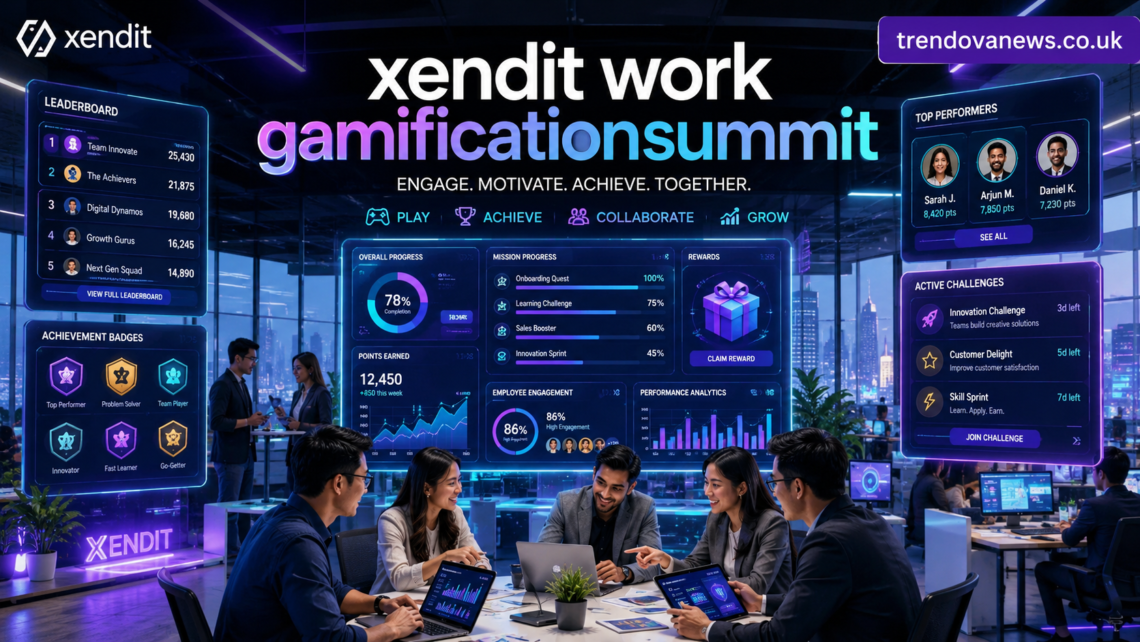
Progress tracking is another important element. Employees are often more motivated when they can see measurable evidence of improvement. Gamified platforms provide dashboards, progress indicators, and achievement milestones that help individuals monitor their performance and identify opportunities for growth.
Workplace challenges and collaborative missions can also enhance engagement. Teams may participate in shared goals, innovation challenges, or learning competitions that encourage cooperation while maintaining healthy motivation. When implemented effectively, these activities strengthen workplace relationships and improve team performance.
Xendit’s Approach to Innovation and Workplace Culture
Xendit is widely recognized as a technology-driven fintech company operating in Southeast Asia. The company has built its reputation around innovation, digital transformation, and customer-focused solutions. Discussions surrounding the Work GamificationSummit often highlight how these same principles can be applied internally to create engaging employee experiences.
Innovation is not limited to products and services. Organizations increasingly recognize that workplace culture plays a critical role in long-term success. Companies that invest in employee engagement often experience stronger retention rates, improved collaboration, and higher levels of productivity.
The summit demonstrates how forward-thinking organizations can integrate technology and behavioral science to improve workplace experiences. By using digital platforms to deliver gamified experiences, companies can provide employees with personalized engagement opportunities while collecting valuable insights into participation and performance.
This approach reflects broader workplace trends where organizations seek to create environments that encourage continuous learning, innovation, and professional growth. Employees who feel supported and recognized are more likely to contribute ideas, embrace change, and participate actively in organizational initiatives.
Gamified Learning and Employee Development
Learning and development programs represent one of the most promising applications of workplace gamification. Traditional corporate training programs often struggle to maintain employee attention and participation. Long training sessions, static learning materials, and limited interaction can reduce engagement and affect knowledge retention.
The Xendit Work GamificationSummit frequently highlights how gamification can transform employee learning experiences. By incorporating achievements, milestones, challenges, and interactive activities into training programs, organizations can create more engaging learning environments.
Gamified onboarding programs are particularly effective for new employees. Instead of overwhelming individuals with large amounts of information, organizations can introduce structured learning journeys that reward progress and encourage participation. Employees gain confidence as they complete tasks, unlock achievements, and become familiar with workplace systems and expectations.
Continuous professional development also benefits from gamification. Employees are more likely to participate in skill-building initiatives when learning achievements are recognized and celebrated. This creates a culture of continuous improvement while helping organizations develop internal talent and future leaders.
The Impact of Gamification on Productivity and Performance
Productivity remains a primary objective for organizations implementing gamification strategies. However, effective gamification focuses on sustainable motivation rather than short-term performance boosts. The goal is to create systems that encourage employees to remain engaged and committed over time.
One reason gamification improves productivity is that it provides clear direction. Employees understand what is expected, how progress is measured, and what achievements can be earned. This transparency reduces confusion and helps individuals prioritize their efforts more effectively.
Feedback plays an equally important role. Traditional performance reviews may occur only once or twice per year, leaving employees uncertain about their progress. Gamified systems provide real-time feedback, enabling workers to make adjustments and improve performance continuously.
The visibility of achievements also contributes to accountability. When employees can track their progress and compare it against goals, they often become more invested in their performance. This sense of ownership encourages proactive behavior and supports long-term productivity improvements.
Strengthening Team Collaboration Through Gamification
Collaboration is essential for modern business success. Organizations rely on teamwork to solve problems, develop innovative solutions, and achieve strategic objectives. Yet fostering collaboration can be challenging, particularly in remote and hybrid work environments.
The Xendit Work GamificationSummit explores how gamification can strengthen collaboration by encouraging employees to work toward shared goals. Team-based challenges, collaborative achievements, and group rewards help create a sense of collective purpose.
Unlike purely competitive systems, collaborative gamification emphasizes mutual success. Employees learn to support one another, share knowledge, and contribute toward common objectives. This strengthens interpersonal relationships and helps create a more connected workplace culture.
Gamified collaboration also promotes communication. Employees are more likely to interact when participating in shared challenges or working together to achieve milestones. These interactions help break down departmental silos and encourage cross-functional cooperation.
As organizations become increasingly distributed, maintaining strong workplace relationships becomes more important. Gamification offers practical tools for fostering engagement and collaboration regardless of physical location.
Digital Transformation and the Future of Workplace Engagement
Digital transformation continues to reshape every aspect of business operations. Organizations are adopting advanced technologies to improve efficiency, enhance customer experiences, and support innovation. However, technology alone cannot guarantee success. Employee adoption and engagement remain critical factors in any transformation initiative.
The Xendit Work GamificationSummit highlights how gamification can support digital transformation efforts by encouraging participation and reducing resistance to change. Employees are more likely to embrace new systems when adoption is linked to engaging experiences and meaningful rewards.
Modern workplace platforms make gamification more accessible than ever. Organizations can integrate engagement features into learning management systems, performance management tools, collaboration platforms, and employee experience applications. These technologies enable personalized engagement experiences while providing valuable performance insights.
Looking ahead, workplace gamification is expected to evolve alongside artificial intelligence, analytics, and automation technologies. Organizations will increasingly use data-driven approaches to create personalized engagement experiences that align with individual motivations and organizational goals.
As the future of work continues to develop, gamification will likely play an important role in helping organizations maintain employee engagement in increasingly digital environments.
Challenges and Considerations for Successful Gamification
While gamification offers significant benefits, successful implementation requires careful planning. One of the most important lessons emphasized through discussions surrounding the summit is that gamification should support meaningful business objectives rather than serve as entertainment alone.
Organizations must understand employee motivations before designing engagement systems. A strategy that works for one workforce may not be effective for another. Customization and employee involvement are often essential components of successful implementation.
Another challenge involves maintaining long-term engagement. Employees may initially respond positively to gamified experiences, but interest can decline if systems become repetitive or fail to evolve. Organizations must continuously refine their strategies based on employee feedback and performance data.
Balance is equally important. Excessive competition can create stress or discourage collaboration if not managed properly. Successful gamification programs combine achievement, recognition, collaboration, and personal development to create positive experiences that support both employees and organizational objectives.
Conclusion
The Xendit Work GamificationSummit represents a growing movement toward more engaging, innovative, and employee-centered workplaces. By applying gamification principles to professional environments, organizations can improve employee engagement, strengthen workplace culture, enhance learning experiences, and support productivity goals.
The summit highlights how game-inspired mechanics such as achievements, rewards, progress tracking, collaboration challenges, and recognition systems can transform the employee experience. Rather than relying solely on traditional management approaches, organizations can create environments where employees feel motivated, valued, and connected to meaningful objectives.
As businesses continue navigating digital transformation, remote work, evolving employee expectations, and increasing competition for talent, workplace gamification is likely to remain an important strategy for organizational success. The ideas associated with the Xendit Work GamificationSummit demonstrate that when technology, behavioral psychology, and employee engagement are combined effectively, organizations can create workplaces that benefit both employees and business performance.
Ultimately, the summit serves as a reminder that the future of work is not just about technology or productivity. It is about creating experiences that inspire people to perform at their best, collaborate effectively, continue learning, and contribute to long-term organizational success.