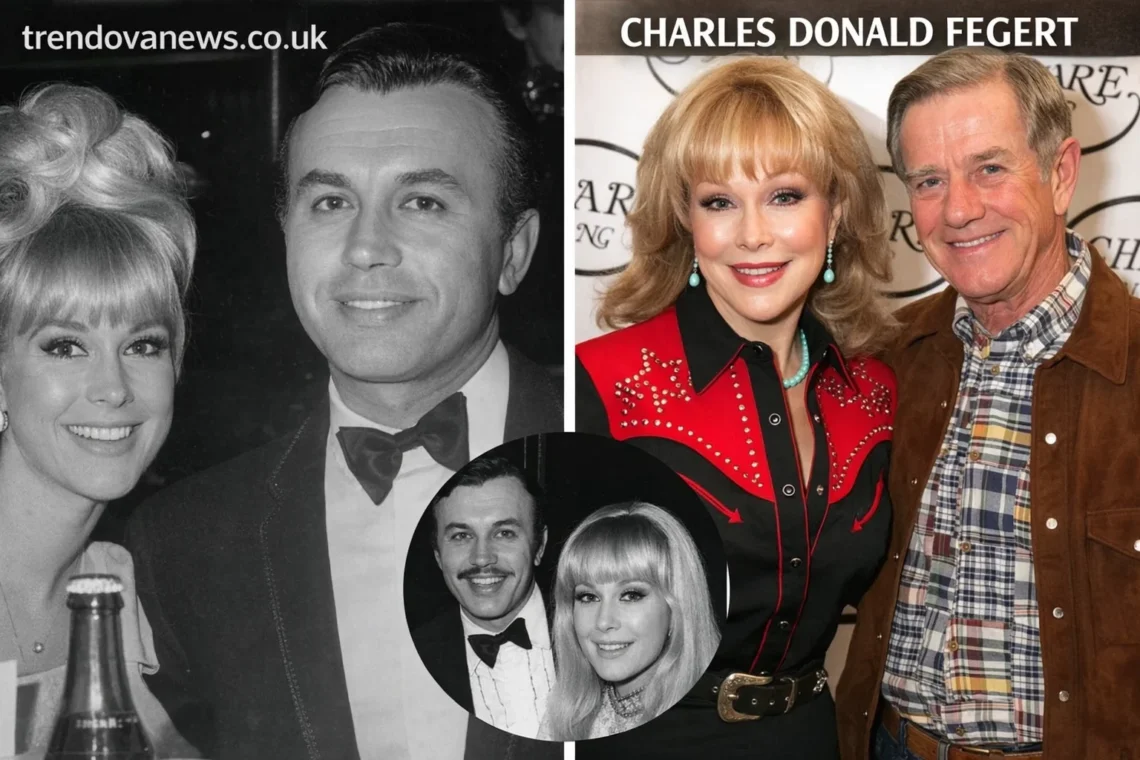
Charles Donald Fegert: Early Life and Background
Charles Donald Fegert was born on November 8, 1930, in Chicago, Illinois, a city that played a defining role in shaping both his personal identity and professional trajectory. Growing up in a major urban center during the Great Depression and its aftermath, he was exposed early to an environment that valued resilience, adaptability, and hard work. These formative influences would later reflect in his disciplined approach to business and advertising.
Chicago during the mid-20th century was a hub of commerce, media, and industrial growth, offering opportunities for individuals willing to pursue careers in emerging industries. charles donald fegert Fegert’s upbringing in this environment likely contributed to his interest in communication and business operations. Although detailed public records about his family life remain limited, it is evident that his early surroundings encouraged a strong sense of ambition and practical thinking.
His academic path eventually led him to Loyola University Chicago, where he pursued higher education and developed foundational knowledge in business and marketing. charles donald fegert This educational background provided him with the tools necessary to enter the competitive world of media advertising, where analytical thinking and interpersonal skills were essential for success.
Education and Academic Foundations
Charles Donald Fegert’s time at Loyola University Chicago marked an important stage in his development. Loyola, known for its emphasis on ethical leadership and intellectual rigor, helped shape his professional outlook. During his studies, he was exposed to principles of business administration, marketing strategy, and organizational behavior, charles donald fegert all of which would later influence his career decisions.
The academic environment at Loyola encouraged not only technical knowledge but also a broader understanding of responsibility and leadership. charles donald fegert These values aligned with Fegert’s later professional conduct, particularly in roles that required managing teams and handling client relationships. His education provided a structured framework that complemented his natural inclination toward strategic thinking and communication.
Graduating in the mid-1950s, Fegert entered the workforce at a time when the American economy was expanding rapidly. The post-war era brought significant growth to charles donald fegert industries such as media and advertising, creating opportunities for individuals with business education and strong interpersonal skills. Fegert’s academic background positioned him well to take advantage of these emerging opportunities in the advertising sector.
Entry into Newspaper Advertising
After completing his education, Charles Donald Fegert began his career in newspaper advertising, joining the Chicago Sun-Times. This marked the beginning of his long association with the media industry, where he would eventually establish himself as a respected advertising executive. The newspaper industry at the time was a dominant force in information dissemination and commercial advertising.
Fegert initially worked in sales, where his role involved engaging with clients, understanding their business needs, and offering advertising solutions tailored to their objectives. charles donald fegert His ability to build relationships and communicate effectively helped him stand out in a competitive environment. Rather than simply selling ad space, he approached his role with a consultative mindset, focusing on delivering value to clients.
During this early phase of his career, Fegert developed a reputation for reliability and strategic insight. He recognized that successful advertising required more than placement—it required alignment with audience interests and market trends. This perspective allowed him to contribute meaningfully to the newspaper’s revenue growth while simultaneously building trust with advertisers.
Career Growth and Leadership at the Chicago Sun-Times
As Charles Donald Fegert progressed within the Chicago Sun-Times, he moved into more senior roles, eventually becoming Vice President of Advertising and Marketing. In this leadership position, he was responsible for overseeing advertising operations, guiding sales teams, and shaping the newspaper’s overall marketing strategy. His promotion reflected both his experience and his ability to deliver consistent results.
In a rapidly evolving media landscape, Fegert played a key role in helping the Sun-Times remain competitive. The rise of television and alternative media channels posed challenges to traditional print advertising, requiring innovative approaches to maintain advertiser interest. Fegert contributed to developing strategies that emphasized creativity, audience targeting, and integrated marketing efforts.
His leadership style was characterized by a balance of analytical decision-making and practical execution. He understood the importance of aligning business goals with market realities, ensuring that advertising campaigns were both effective and sustainable. By fostering collaboration within teams and maintaining strong client relationships, he helped strengthen the newspaper’s position in the industry.
Advertising Strategy and Industry Influence
Charles Donald Fegert’s approach to advertising was rooted in a deep understanding of consumer behavior and market dynamics. He recognized early on that advertising success depended on connecting with audiences in meaningful ways. This insight guided his work and influenced the strategies he implemented throughout his career.
In his role as an executive, Fegert emphasized the importance of tailoring advertising campaigns to specific client objectives. He encouraged creative thinking among his teams, promoting solutions that were not only visually appealing but also strategically aligned with business goals. This approach helped advertisers achieve better engagement and return on investment.
His contributions extended beyond individual campaigns. By promoting innovative advertising practices within the Chicago Sun-Times, Fegert influenced broader industry trends in newspaper marketing. His work reflected a shift toward more integrated and customer-focused advertising models, which became increasingly relevant as competition in the media space intensified.
Personal Life and Marriage to Barbara Eden
Charles Donald Fegert’s personal life gained public attention largely due to his marriage to actress Barbara Eden, best known for her role in the television series I Dream of Jeannie. The couple married on September 3, 1977, bringing together two individuals from very different professional worlds—media advertising and entertainment.
Their relationship attracted media coverage due to Eden’s celebrity status, placing Fegert in the public eye beyond his professional accomplishments. Despite the attention, Fegert remained primarily focused on his career and family responsibilities. The marriage represented a significant chapter in his personal life, though it eventually ended in divorce in the early 1980s.
Outside of this high-profile relationship, Fegert was known to be a family-oriented individual. He had children from previous relationships and maintained a commitment to his role as a father. His ability to balance professional responsibilities with family life reflects a personal dimension that complemented his public career.
Later Career, Consulting Work, and Business Interests
In the later stages of his career, Charles Donald Fegert transitioned from full-time executive responsibilities to consulting and advisory roles. This shift allowed him to apply his extensive experience in advertising and marketing to a broader range of business contexts. His insights were valuable to organizations seeking guidance in navigating competitive markets.
Fegert also explored interests beyond the media industry, including involvement in real estate and other business ventures. These activities demonstrated his entrepreneurial mindset and his ability to adapt his skills to different sectors. His experience in advertising provided a strong foundation for understanding value, investment, and market positioning in other industries.
As a consultant, he contributed to the development of marketing strategies for businesses looking to improve their outreach and branding. His practical knowledge, combined with decades of experience, made him a trusted advisor. Even as industries evolved, his core principles of strategic thinking and client-focused service remained relevant.
Legacy in Advertising and Media
Charles Donald Fegert’s legacy lies in his contributions to the advertising industry, particularly within the context of newspaper media. His work at the Chicago Sun-Times helped shape advertising strategies during a period of significant change, as print media adapted to the rise of new communication technologies.
He is remembered as a professional who understood the importance of innovation in maintaining relevance. By encouraging creative approaches to advertising and prioritizing client relationships, he contributed to practices that influenced how newspapers approached marketing in a competitive environment. His leadership helped bridge the gap between traditional advertising methods and more modern, integrated strategies.
Although not widely known outside media and business circles, Fegert’s impact is reflected in the evolution of advertising practices that continue to emphasize audience engagement and strategic alignment. His career serves as an example of how expertise, adaptability, and leadership can contribute to long-term industry influence.
Death and Enduring Memory
Charles Donald Fegert passed away on September 25, 2002, in Chicago, the city where his life and career had been centered. His passing marked the conclusion of a career that spanned several decades and left a lasting imprint on the advertising and media industries. He lived to the age of 71, having witnessed and contributed to significant transformations in the business landscape.
Today, Fegert is remembered for his professional achievements, leadership roles, and contributions to advertising strategy. While public attention often focuses on his connection to Barbara Eden, his own career stands as a testament to his skills and dedication in the field of marketing. His work continues to be recognized within historical accounts of newspaper advertising and media management.
His life story reflects the journey of a business professional who successfully navigated a changing industry while maintaining a commitment to excellence. Through his leadership, strategic thinking, and adaptability, Charles Donald Fegert remains a notable figure in the history of American advertising, representing the evolution of media from traditional print to more dynamic and competitive forms of communication.
Conclusion
Charles Donald Fegert’s life reflects the journey of a dedicated media professional who built a successful career through consistency, strategic thinking, and a strong understanding of advertising dynamics. From his early beginnings in Chicago to his rise as Vice President of Advertising and Marketing at the Chicago Sun-Times, he demonstrated the importance of combining education, practical experience, and leadership to achieve long-term success in a competitive industry. His work contributed to shaping newspaper advertising practices during a time of major transformation in the media landscape.
Beyond his professional accomplishments, Fegert’s personal life, including his marriage to Barbara Eden and his role as a father, adds depth to his overall story. While public attention often focused on his association with a well-known celebrity, his own identity was firmly rooted in his contributions to business and media. His later involvement in consulting and business ventures further highlights his adaptability and continued relevance beyond his primary career.
Overall, Charles Donald Fegert’s legacy is defined by his influence in advertising, his leadership within the Chicago Sun-Times, and his ability to navigate change in an evolving industry. His story serves as an example of how professional dedication and strategic insight can leave a lasting impact, even without widespread public recognition.