Introduction
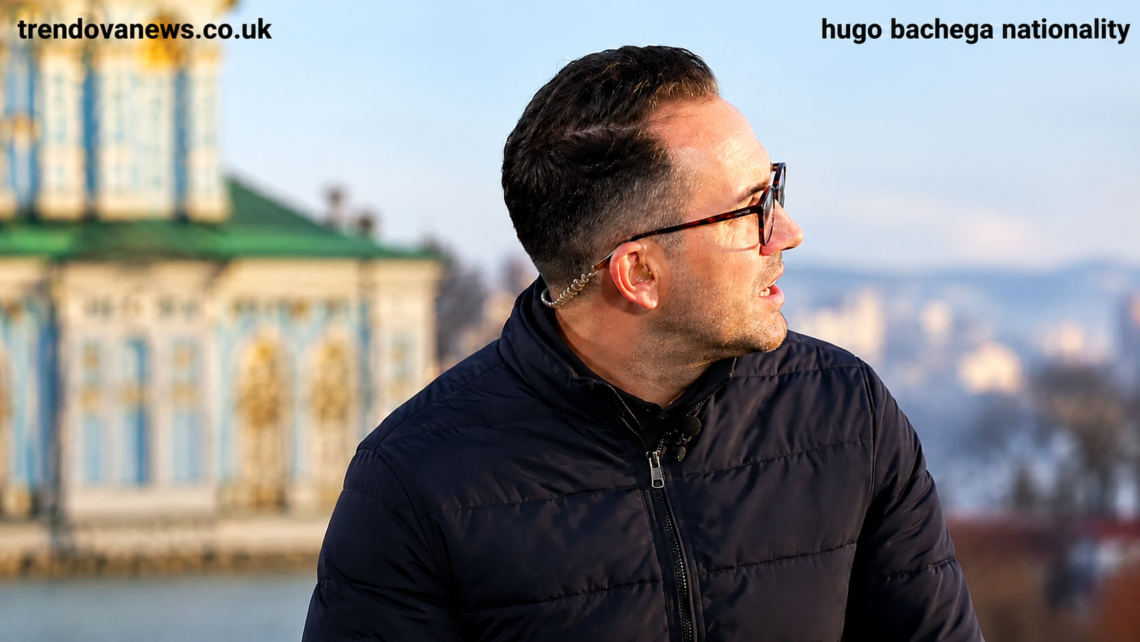
Hugo Bachega is widely recognized as one of the most visible international correspondents working with BBC News. hugo bachega nationality His reporting from conflict zones, political hotspots, and humanitarian crises has made him a familiar face to global audiences who rely on accurate and timely news coverage. hugo bachega nationality As his presence in international media continues to grow, public curiosity about his personal background has also increased, especially regarding the question of Hugo Bachega’s nationality.
Understanding his nationality is not just about identifying a country of origin. It also opens a broader discussion about his multicultural identity, professional journey, and the global nature of modern journalism. Hugo Bachega is generally described as Brazilian-born, and his career reflects a strong international trajectory that connects Latin America, hugo bachega nationality Europe, hugo bachega nationality and global news organizations. His background plays an important role in shaping how he approaches storytelling and news reporting.
Hugo Bachega Nationality and Identity
Hugo Bachega is most commonly identified as Brazilian-born, which means his early life and cultural roots are connected to Brazil. This detail is consistently mentioned hugo bachega nationality in media references and public discussions about his background. His Brazilian identity is a key part of his personal and professional story, especially considering Brazil’s rich journalistic culture and diverse society.
At the same time, some references and media descriptions suggest a broader international identity, often linking him hugo bachega nationality to British journalism due to his long-standing work with BBC News. However, there is no widely confirmed public statement detailing dual citizenship or formal naturalization. What remains clear is that his professional life has been strongly associated with the United Kingdom’s media landscape, while his origin is rooted in Brazil.
This combination of Brazilian heritage and international career experience contributes to why Hugo Bachega’s nationality is frequently searched online. hugo bachega nationality People are often curious when a journalist operates across borders and reports for global institutions, as it creates an impression of a blended cultural identity.
Early Life and Brazilian Roots
Hugo Bachega’s early background is believed to be shaped by Brazil’s dynamic cultural and social environment. Growing up in a country known for its political diversity and vibrant media industry likely exposed him to a wide range of perspectives from an early age. hugo bachega nationality This environment often influences journalists to develop strong analytical thinking and awareness of social issues.
Brazil has a strong tradition of journalism, with media outlets playing a crucial role in political accountability and public communication. Within this context, hugo bachega nationality aspiring journalists are often encouraged to develop both curiosity and resilience. Hugo Bachega’s foundation in this environment may have contributed to his ability to handle complex international stories later in his career.
His Brazilian roots also provide a cultural dimension to his reporting style. Many observers note that his storytelling often reflects empathy and attention to human experiences, hugo bachega nationality which are qualities frequently associated with journalists coming from diverse cultural backgrounds.
Education and Pathway into Journalism
While detailed public information about Hugo Bachega’s academic background is limited, his career progression suggests a strong professional foundation in journalism and international reporting. Many journalists who reach global platforms like BBC News typically undergo rigorous academic training in journalism, communications, or related fields, hugo bachega nationality combined with early newsroom experience.
It is widely understood that his career began with a focus on news reporting in Brazil before transitioning into international journalism. This early exposure to journalism likely helped him develop essential skills such as research, interviewing, hugo bachega nationality and reporting under tight deadlines. These skills are critical for any journalist aiming to work in global media environments.
His educational and early career path reflects a common trajectory among international correspondents, where local experience serves as a stepping stone to global reporting roles. This progression also highlights the importance of adaptability in journalism, especially for those covering international affairs.
Career Beginnings and Reuters Experience
Hugo Bachega’s professional journey gained significant momentum when he worked with Reuters, one of the world’s most respected news agencies. hugo bachega nationality Reuters is known for its strict editorial standards and global coverage, making it a valuable training ground for journalists aiming to build international careers.
During his time at Reuters, Bachega would have been exposed to fast-paced news environments where accuracy, speed, and clarity are essential. Working in such a setting helps journalists develop the ability to report on breaking news while maintaining factual integrity. This experience likely played a key role in shaping his journalistic discipline.
His Reuters background also positioned him for future opportunities in global media. Journalists who work with major agencies often transition into roles at large broadcasting organizations, and this path eventually led Hugo Bachega toward his work with BBC News.
BBC News and International Recognition
Hugo Bachega’s role at BBC News marks a defining stage in his career. As a foreign correspondent, he has reported from various regions experiencing conflict, political change, and humanitarian challenges. His work includes coverage from Europe, the Middle East, and other critical global locations.
His reporting style is characterized by clarity, calm delivery, and a focus on factual storytelling. These qualities are essential for journalists working in high-pressure environments where accuracy is crucial. BBC correspondents are often required to provide live updates from unpredictable situations, and Bachega has demonstrated strong professionalism in such moments.
His visibility increased significantly during major global events, where his on-the-ground reporting brought real-time information to international audiences. This exposure has contributed to public interest not only in his work but also in his personal background, including his nationality and cultural identity.
Hugo Bachega in Conflict Zone Reporting
One of the most notable aspects of Hugo Bachega’s career is his work in conflict zones. Reporting from such environments requires not only journalistic skill but also courage, resilience, and the ability to operate under extreme pressure.
He has been present in regions experiencing war and political instability, providing firsthand accounts of rapidly developing situations. His reporting from Ukraine, for example, brought global attention when live coverage was interrupted by nearby missile activity, highlighting the risks faced by journalists in active conflict zones.
These experiences underline the importance of field journalism in today’s media landscape. While technology allows news to travel instantly, on-the-ground reporting remains essential for accuracy and credibility. Hugo Bachega’s work in such environments demonstrates his commitment to delivering verified information even under dangerous conditions.
Public Interest in His Nationality and Background
The growing search interest in “Hugo Bachega nationality” reflects a broader trend in audience behavior. Modern viewers are increasingly curious about the people behind the news, especially correspondents who appear regularly on international television.
This curiosity is often influenced by his global presence and multilingual reporting style. When journalists operate across different regions and cover international stories, audiences naturally begin to wonder about their origins and cultural background. In Bachega’s case, his Brazilian roots combined with his BBC affiliation create a multicultural impression.
Such interest also highlights how journalism today is more visible than ever. Reporters are not just information providers; they are public figures whose identities become part of their professional narrative. Hugo Bachega’s case is a clear example of this evolving relationship between journalists and audiences.
Professional Reputation and Journalism Style
Hugo Bachega is widely respected for his calm, factual, and composed reporting style. In high-pressure situations, particularly during live broadcasts, his ability to maintain clarity has been frequently noted by viewers and media professionals alike.
His journalism is grounded in accuracy and neutrality, which are core principles of BBC reporting standards. This professional approach ensures that complex international events are communicated in a way that is understandable to global audiences without losing essential context.
Over time, his reputation has grown as a reliable correspondent capable of delivering important updates from some of the world’s most challenging environments. This trustworthiness is a key reason why his work is widely followed and why interest in his background continues to grow.
Conclusion
Hugo Bachega’s nationality is most accurately described as Brazilian-born, reflecting his origins and early cultural background. While he is strongly associated with British journalism through his work at BBC News, specific details about dual citizenship or formal nationality changes are not publicly confirmed. His identity therefore represents a blend of Brazilian heritage and international professional experience.
Beyond questions of nationality, Hugo Bachega’s career stands as an example of modern global journalism. His work with Reuters and BBC News, his reporting from conflict zones, and his commitment to factual storytelling have made him a respected figure in international media. His story highlights how journalism today transcends borders, blending cultural perspectives and professional expertise to inform audiences around the world.